
How to Choose Compression Socks for Wide Calves
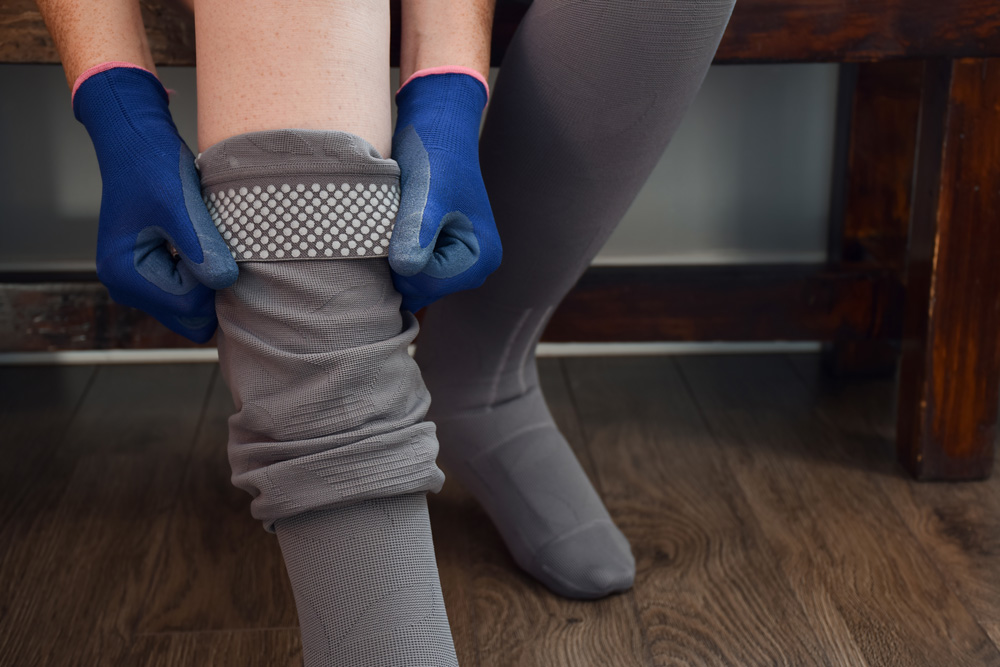
Finding compression socks that truly fit wide calves can be challenging, especially when so many options on the market are designed with a narrow range of body types in mind.
Compression socks for wide calves should never feel painfully tight, difficult to pull on, or uncomfortable after a few hours of wear. When chosen correctly, they deliver consistent pressure, improve daily comfort, and help legs feel lighter and less fatigued.
If socks have rolled down, pinched behind the knees, or left deep marks on your skin, the fit likely was not designed for wider calves. The sections below explain what to look for so compression socks feel comfortable, breathable, and realistic for everyday life.
Why Proper Fit Makes All the Difference
Compression socks apply controlled pressure to the legs to promote circulation and help manage swelling, heaviness, and discomfort. When socks feel too tight around the calf, that pressure becomes uneven and uncomfortable.
For people with wide calves, a proper fit keeps compression distributed as intended. Socks designed with extra calf room sit smoothly against the leg and stay in place without cutting into the skin or sliding down throughout the day.
Measuring Your Calves Correctly
Accurate measurements play a major role when choosing compression socks. Relying on general sizing often leads to disappointment, especially for wide calves. Measuring the widest part of your calf gives a more realistic idea of what size will work for your body.
It’s best to measure earlier in the day, when swelling is usually lower, and compare your measurement directly to the brand’s size chart. Brands that genuinely support wide calves will clearly list calf circumference ranges and offer extended sizing rather than relying on vague labels.
Understanding Graduated Compression
Graduated compression remains an important feature for comfort. This design applies the most pressure at the ankle and gradually reduces pressure as it moves up the leg. That structure promotes healthy circulation and helps reduce feelings of heaviness or fatigue.
Socks that apply equal pressure throughout the leg often feel restrictive, especially near the top of wider calves. Gradual pressure transitions encourage circulation without digging into sensitive areas.
Stretch and Support Must Work Together
Stretch matters for wide calves, though it should never replace proper structure. Compression socks need flexibility that adapts to leg shape while maintaining steady pressure during long wear.
High-quality fibers stretch comfortably and return to shape after use. Poorly constructed socks may feel acceptable at first but quickly lose structure, slide down, or feel less effective after repeated wear.
The Importance of Breathable, Skin-Friendly Fabrics
Material choice affects how compression socks feel throughout the day. Fabrics that trap heat and moisture often lead to irritation, sweat buildup, or odor during extended wear.
Breathable materials help regulate temperature and move moisture away from the skin. Bamboo based fabrics stand out for their softness, gentle feel, and natural antibacterial properties. This makes them a strong choice for recovery and long hours on your feet.
Ease of Putting Socks On and Taking Them Off
Compression socks should support your legs without causing frustration before the day even begins. For wide calves, ease of use becomes especially important during daily routines. Socks designed with flexible fibers, smooth seams, and balanced stretch feel much easier to pull on and remove without excessive effort. This makes getting dressed feel simpler and more manageable.
Comfort-enhancing details such as non-restrictive toe areas and flexible cuffs can noticeably improve the overall wearing experience. These design elements reduce pressure points and help socks sit comfortably throughout the day. They are especially helpful for people managing swelling, pregnancy-related changes, limited mobility, or recovery periods when bending and pulling become more difficult.
Durability and Long-Term Value
Compression socks represent a long-term investment in daily comfort and leg health, which makes durability an important consideration.
High-quality socks should maintain their shape, softness, and compression level after repeated washing and regular wear. Strong fibers, reinforced heels, and secure stitching help prevent tearing, sagging, and gradual loss of support over time.
For wide calves, durability plays an even greater role in overall satisfaction. Socks that overstretch, thin out, or weaken quickly stop delivering consistent compression. This reduces effectiveness and comfort, making thoughtful construction and material quality a key factor when choosing compression socks for long-term use.
How We Can Help at BAMS
At BAMS, we understand how frustrating it can be to search for compression socks that actually fit wide calves comfortably. We design our socks with extended sizing, soft bamboo fibers, and true graduated compression to support real bodies and real needs.
If you’re ready to experience compression socks made with comfort and inclusivity in mind, explore our BAMS compression socks today!