
What Compression Level Do You Actually Need?
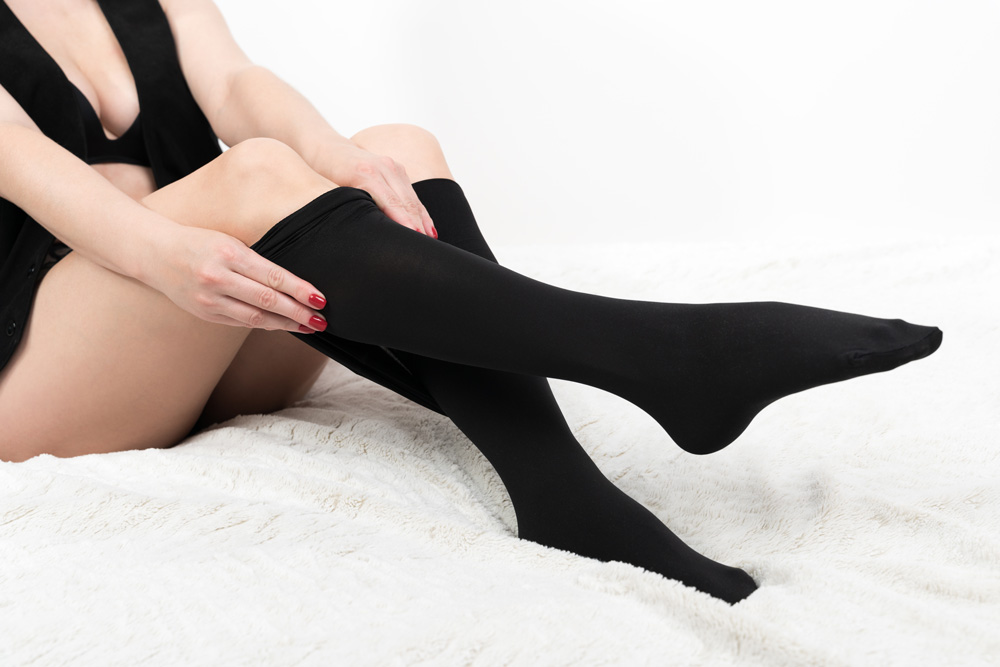
Choosing compression socks can feel confusing, especially when you’re faced with numbers and terms that aren’t always clearly explained.
Understanding compression level is one of the most important steps in finding socks that actually help rather than cause discomfort. The right level should feel supportive and reassuring, not tight, painful, or overwhelming.
If you are new to compression socks or unsure whether your current pair feels right, this guide explains how compression levels work and how to choose one that fits your body and daily routine.
What Does Compression Level Mean?
Compression level refers to how much pressure the socks apply to your legs. This pressure is measured in millimeters of mercury, often written as mmHg. Higher numbers mean firmer pressure, while lower numbers provide gentler support.
Compression socks are designed to apply the most pressure at the ankle and gradually reduce it as they move up the leg. This gradual pressure supports circulation and helps reduce swelling, heaviness, and fatigue. The key is finding a level that matches your needs without feeling restrictive.
Why Choosing the Right Level Matters
Wearing an incorrect compression strength can lead to discomfort or minimal benefit. Socks with pressure that feels too light may not noticeably support tired legs. Socks with pressure that feels too strong may be difficult to put on, dig into the skin, or cause irritation.
The right level should feel snug and supportive while still allowing you to move comfortably throughout the day. You should never feel numbness, pain, or excessive tightness.
Light Compression for Everyday Comfort
Lower compression levels work well for general comfort and mild support. These socks suit people who experience occasional leg fatigue, light swelling, or spend extended time standing or sitting. Light compression also works well for travel, supporting circulation without feeling firm or restrictive.
Many people new to compression socks start here because it feels natural and easy to wear. This level is also ideal if you want gentle support as part of your daily routine rather than for a medical reason.
Moderate Compression for Ongoing Support
Moderate compression suits individuals who experience noticeable swelling, leg heaviness, or circulation concerns. People who spend long hours on their feet, recover from physical activity, or manage pregnancy-related swelling or varicose veins often choose this level.
This level provides more structure and support while still being suitable for daily wear when designed properly. Comfort becomes especially important here, as poor-quality socks at this level can feel restrictive if they are not made with the right materials or fit.
Firm Compression and When to Be Cautious
Higher compression levels are typically used for medical or post-procedure needs and are often recommended by healthcare professionals. These levels provide strong pressure and are designed for specific conditions, such as severe swelling or recovery after surgery.
Anyone considering firm compression should consult a medical professional first. Wearing high compression without guidance can increase discomfort or create complications, especially if socks are difficult to put on or do not fit correctly.
Your Lifestyle Plays a Big Role
Choosing the right compression strength is not only about symptoms. Daily habits, routines, and movement patterns shape what feels comfortable and supportive. Someone seeking all day comfort at work may need a different level than someone wearing compression occasionally for travel or recovery.
Think about how many hours the socks will stay on, how active the day feels, and how your legs respond to standing or sitting. Skin sensitivity, temperature changes, and ease of wear also influence comfort. Breathability, softness, and flexibility matter just as much as pressure strength during long hours of consistent use.
Fit and Fabric Matter as Much as Pressure
Even the perfect compression strength won’t feel right if the socks don’t fit properly. Socks that are too tight around the calf or ankle can feel uncomfortable regardless of their intended compression range. This is especially true for people with wide calves or sensitive skin.
Fabric choice also plays a major role. Soft, breathable materials help regulate temperature and reduce irritation, making compression socks more wearable for everyday use. Stretchy yet supportive fibers allow the socks to adapt to your leg shape while maintaining consistent pressure.
How We Can Help at BAMS
At BAMS, we know that choosing compression socks shouldn’t feel intimidating. That’s why we focus on creating socks that offer effective, graduated compression while remaining soft, breathable, and easy to wear. If you’re ready to experience compression socks designed with real people in mind, explore our BAMS products today!